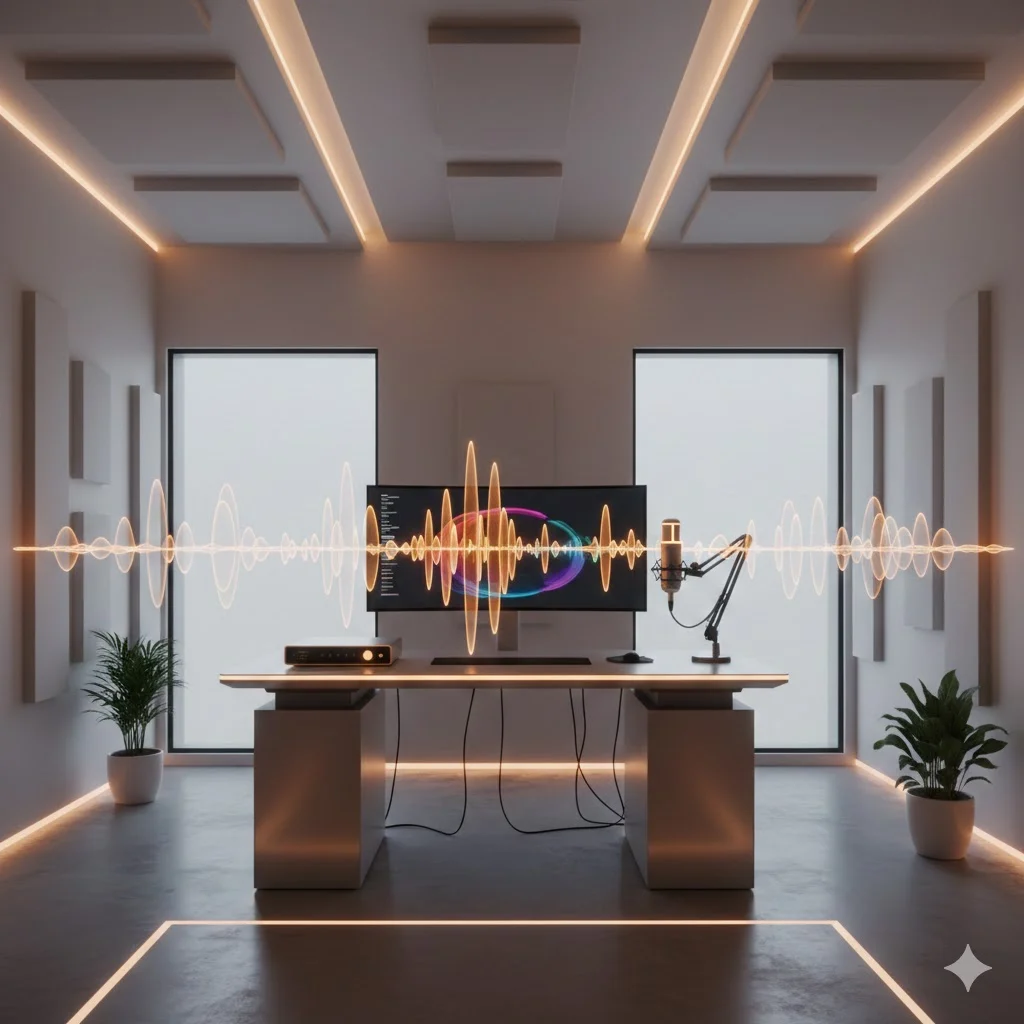
If you’ve ever listened to music, watched a movie, or experimented with audio editing, you’ve definitely heard reverb — even if you didn’t know what it was called. I remember hearing a singer’s voice echo beautifully in a hallway and thinking, “Whoa… how did that sound get so rich?” If you’ve asked yourself something similar, you’re in the right place.
People search “what does reverb mean” because they want a clear, beginner-friendly explanation without complicated audio engineering jargon.
Quick Answer:
Reverb means the echo-like effect created when sound reflects off surfaces.
It’s a natural or artificial audio effect that makes sound feel bigger, deeper, and more atmospheric.
🧠 What Does Reverb Mean?
Reverb (short for reverberation) is the effect you hear when sound bounces around a space before fading away.
It happens naturally in places like:
- Churches
- Tunnels
- Big rooms
- Theaters
- Empty hallways
In audio editing, reverb is added to make a voice or instrument sound more:
- Full
- Warm
- Spacious
- Realistic
- Atmospheric
Example sentence:
“The singer’s voice had reverb, making it sound like she was performing in a large hall.”
In short:
Reverb = Reflected sound = A natural echo effect.
📱 Where Is Reverb Commonly Used?
You’ll hear or use reverb in:
- 🎵 Music production
- 🎤 Vocals and singing
- 🎸 Guitar effects
- 🎧 Mixing and mastering
- 🎬 Movies and sound design
- 📱 TikTok and Reels edits
- 🎮 Games for realistic environments
Is it formal or casual?
Reverb is a technical audio term, but commonly used in casual music conversations too.
💬 Examples of “Reverb” in Conversation
1
A: “Why does your mic sound spacious?”
B: “I added some reverb.”
2
A: “This guitar track sounds flat.”
B: “Try adding reverb to give it life.”
3
A: “How do they make vocals sound dreamy?”
B: “Reverb, lots of it.”
4
A: “Why does this room echo?”
B: “Natural reverb.”
5
A: “What effect is this artist using?”
B: “Pretty sure that’s reverb.”
6
A: “How do I fix my dull voice in recordings?”
B: “Use subtle reverb — it adds depth.”
🕓 When to Use and When NOT to Use Reverb
✅ When to Use Reverb
- To make audio sound more natural
- To create mood or atmosphere
- When vocals or instruments feel too dry
- To simulate a real room or space
- When mixing music, podcasts, or videos
❌ When NOT to Use Reverb
- In very fast or busy music
- When clarity is more important than depth
- In professional voiceovers (too much sounds unclean)
- For livestreams — can make the voice muddy
- When recording in an already echoey room
⭐ Comparison Table
| Context | Example Phrase | Why It Works |
|---|---|---|
| Music Chat | “Add light reverb here.” | Casual & creative |
| Studio Work | “Increase room reverb.” | Professional instructions |
| Film Editing | “Use hall reverb for this scene.” | Enhances realism |
| Beginner Help | “A touch of reverb improves vocals.” | Easy to understand |
🔄 Similar Terms or Alternatives
| Term | Meaning | When to Use |
|---|---|---|
| Echo | Distinct repeated sound | When the sound needs clear repeats |
| Delay | Sound playback after a time gap | Creative effects |
| Ambience | Overall sound environment | Background feel |
| Room Tone | Subtle room background sound | Film & audio editing |
| Chorus | Thickening effect | Musical production |
❓ FAQs
1. Is reverb the same as echo?
No — echo repeats clearly, reverb blends smoothly.
2. Do all rooms have natural reverb?
Yes, but the amount depends on size and materials.
3. Can I add reverb on my phone?
Yes! Many apps offer reverb effects.
4. Does reverb make vocals better?
Usually yes — but too much can ruin clarity.
5. Is reverb good for podcasts?
Only very subtle amounts — heavy reverb sounds unprofessional.
🧩 Mini Quiz – Test Your Knowledge
1. What does reverb mean?
A) A voice filter
✔️ B) Reflected sound that creates an echo-like effect
C) Background noise
2. Where is reverb commonly used?
✔️ A) Music and audio editing
B) Cooking videos
C) Graphic design
3. What’s a related audio effect?
✔️ A) Echo
B) Brightness
C) Hue
📝 Conclusion
Reverb is one of the most important and commonly used audio effects. From music to movies to everyday recordings, it adds depth, space, and atmosphere. Whether you’re a beginner learning audio basics or someone curious about how sound works, knowing what reverb means helps you understand why so many songs and scenes feel richer and more emotional.
Reverb isn’t just an audio effect — it’s what makes sound feel alive.