Maybe someone ended a conversation with “Namaste,” or you saw it in a yoga video, or even in a calm, mindful text reply — and you paused for a second thinking: What exactly does Namaste mean? Is it a greeting? A blessing? A spiritual phrase?
Good news: it’s one of the most beautiful and respectful words you can ever learn.
Quick Answer:
Namaste is a Sanskrit greeting that means “I bow to you” or “I honor the divine/light within you.”
In texting and everyday life, it expresses respect, peace, and goodwill.
Let’s explore how it’s used, where it comes from, and what it really conveys.
🧠 What Does “Namaste” Mean in Text?
In texting, Namaste is used to say:
- hello or goodbye in a peaceful way
- “I respect you”
- “I acknowledge your presence/energy”
- “sending peace”
It’s a respectful, positive, and culturally rich greeting.
Example:
A: Thank you for the meditation session today.
B: Namaste 🙏
In short:
👉 Namaste = I honor you / respectful greeting / peace
🗓️ Origin & Cultural Meaning of “Namaste”
Namaste comes from Sanskrit, an ancient Indian language.
It is made of two parts:
- “Nama” = bow
- “Te” = to you
So the literal meaning is:
“I bow to you.”
Culturally, it signifies:
- respect
- humility
- spiritual recognition
- acknowledgment of the divine or goodness in others
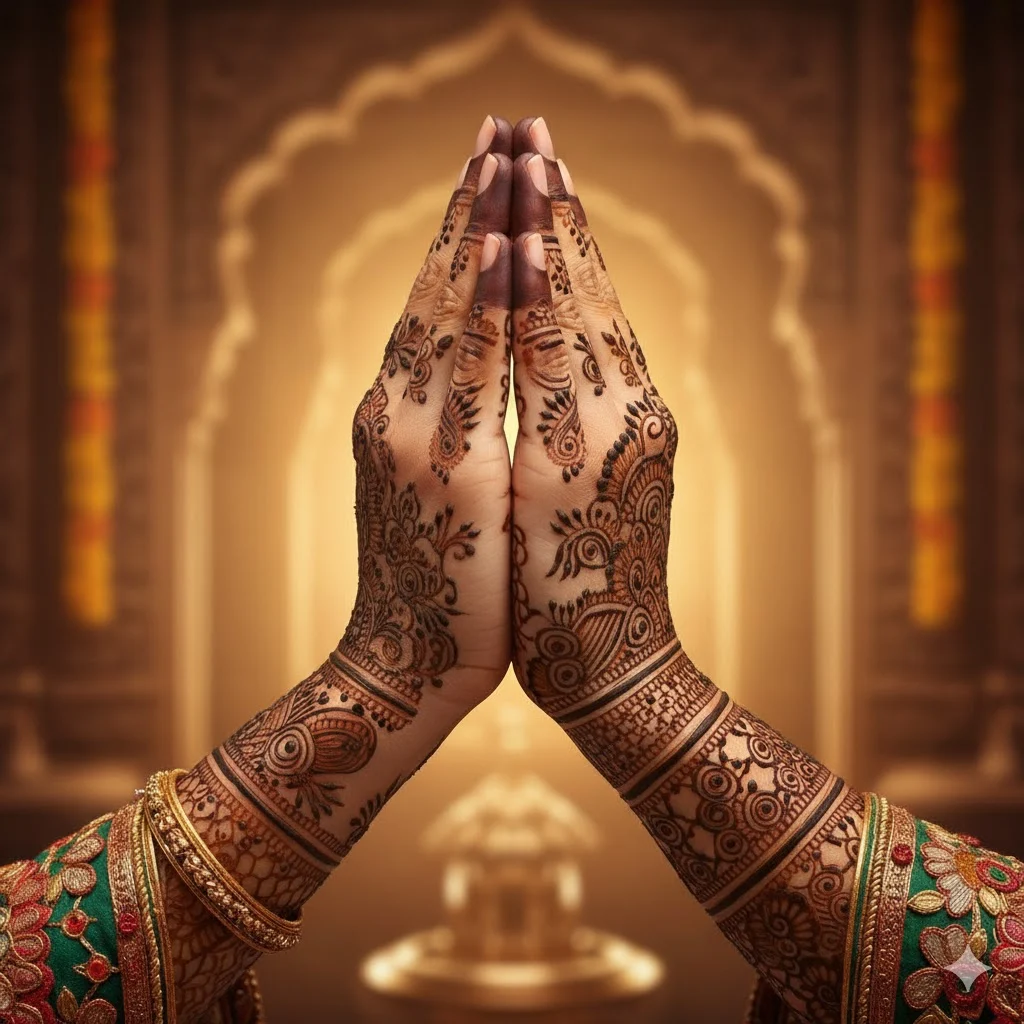
It is traditionally spoken with:
- a slight bow
- hands pressed together at the chest (🙏)
Today, Namaste is used globally in:
- yoga communities
- meditation practices
- wellness spaces
- spiritual greetings
- respectful messages or texts
The word carries calmness, gratitude, and connection wherever it goes.
📱 Where Is “Namaste” Commonly Used?
Though rooted in Indian culture, Namaste is now recognized worldwide.
Here’s where people use it most:
🧘 Yoga classes – start or end of practice
📿 Meditation sessions – closing peace statement
📲 Texting – polite greeting or farewell
🌍 Cultural events – respectful gesture
📸 Social media posts – mindfulness, travel, wellness
🌺 Spiritual communities – expressing unity and respect
Tone & Usage Level
| Tone | Level |
|---|---|
| 🙏 Respectful | ✅ Yes |
| 💛 Warm/Peaceful | ✅ Strong |
| 📱 Casual texts | ❌ Not common |
| 😎 Slangy vibes | ❌ Not correct |
| 🧊 Formal Email | ❌ Doesn’t fit |
Pro Tip: Use Namaste when your intention is respectful, mindful, or meaningful — never sarcastic or casual.
💬 Examples of “Namaste” in Conversation
Here’s how Namaste naturally appears in texting or speech:
A: loved your meditation live today
B: thank you, namaste 🙏
A: sending you calm vibes today
B: namaste 🤍
A: i’m trying to stay grounded
B: same… namaste friend 🙏
A: beautiful message, thank you
B: namaste, appreciate you
A: ending the session now
B: namaste everyone 🌿
A: your words helped me a lot today
B: namaste… glad it reached you
A: goodnight, stay peaceful
B: namaste and sweet dreams 🌙
Notice how each example communicates peace, grounding, and respect.
🕓 When to Use and When Not to Use “Namaste”
✅ Use Namaste When:
- ending a yoga session
- expressing peace, gratitude, or respect
- closing a spiritual or calm conversation
- appreciating someone’s kindness
- entering a mindful or cultural context
❌ Don’t Use Namaste When:
- joking or being sarcastic
- in professional workplace emails
- during arguments
- as slang
- casually with someone unfamiliar with the term
🧾 Comparison Table
| Context | Example Phrase | Why It Works |
|---|---|---|
| 🧘 Yoga Class | “Namaste to everyone 🙏” | Culturally correct & respectful |
| 🌿 Spiritual Chat | “Namaste, stay centered” | Peaceful & grounding |
| 💛 Gratitude | “Namaste, thank you for your message” | Warm & genuine |
| 🤍 Supportive Chat | “Sending you peace, namaste” | Offers calmness |
| 📧 Work Email | “Namaste, please check the file.” | ❌ Too informal & cultural |
Tip: Namaste is never a filler word — use it sincerely.
🔄 Similar Words or Alternatives
| Slang/Word | Meaning | When to Use |
|---|---|---|
| Peace | calmness, goodwill | Casual or friendly |
| Blessings | sending kindness | Spiritual contexts |
| Regards | polite closing | Professional emails |
| Shalom | peace, greeting | Hebrew cultural greeting |
| Sat Nam | truth is my identity | Kundalini yoga |
| Aloha | hello/peace/love | Hawaiian greeting |
Note: All these have cultural depth, but Namaste remains uniquely Indian & spiritual.
💡 Tone Variations: How “Namaste” Changes Meaning
| Situation | Tone | Meaning |
|---|---|---|
| Yoga or meditation | Peaceful | “Namaste” = session closure |
| Thanking someone | Respectful | Gratitude + acknowledgment |
| Text message | Warm | Polite farewell |
| Spiritual reflection | Deep | Recognizing shared energy |
| Cultural greeting | Traditional | Respecting heritage |
Pro Tip: Adding “🙏” enhances respect and authenticity.
❓FAQs
1. What does Namaste mean literally?
“I bow to you.”
2. Is Namaste religious?
It’s spiritual, cultural, and respectful — not strictly religious.
3. Is Namaste used in India daily?
Yes, especially in greetings, ceremonies, and respectful interactions.
4. Does Namaste mean peace?
Not literally, but it conveys peaceful intentions.
5. Is it okay for non-Indians to say Namaste?
Yes, as long as it’s used respectfully and with understanding.
6. Is Namaste formal or casual?
It’s more respectful and cultural, not casual slang.
7. Can I use Namaste instead of “hello” or “bye”?
Yes — especially in yoga, meditation, or mindful chats.
🏁 Conclusion
Namaste is more than just a greeting — it’s a respectful acknowledgment of the goodness, spirit, or light within someone.
Whether used in yoga, spiritual moments, or heartfelt conversations, it carries peace, gratitude, and deep cultural meaning.
In one line:
👉 Namaste = I honor you with respect and peace.
Use it sincerely, gently, and with intention.