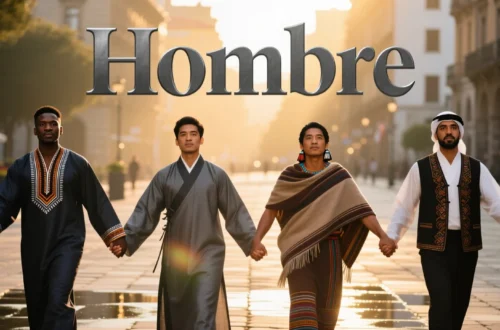
Picture a warm evening in a Kyoto teahouse, where a friend bows and says “arigatou” after you share a meal. That simple phrase, “thank you,” carries a universal pulse of gratitude, yet it transforms across cultures and languages.
Whether it’s a heartfelt “gracias” in a Mexican plaza or a cheerful “shukran” in a Cairo market, the term for “thank you” reflects humanity’s shared desire to acknowledge kindness, shaped by each culture’s unique spirit.
Let’s embark on a global journey to explore how people express “thank you” in different languages and what these words reveal about their societies.
Reference Table: “Thank You” in Different Languages
| Language | Word/Phrase | Cultural/Linguistic Insight |
|---|---|---|
| French | Merci | A concise term, used warmly in both formal and casual settings. |
| Spanish | Gracias | Reflects warmth and sincerity, common across Latin America and Spain. |
| Italian | Grazie | Conveys heartfelt gratitude, often paired with a smile. |
| German | Danke | Straightforward and polite, reflecting German directness. |
| Mandarin | Xièxiè (谢谢) | Means “to thank,” used with a tone of respect in China. |
| Hindi | Dhanyavaad | Derived from “dhanya” (blessed), evoking deep appreciation. |
| Japanese | Arigatou (ありがとう) | Means “gratitude,” often paired with a bow for respect. |
| Korean | Gamsahamnida (감사합니다) | Formal and polite, reflecting Korea’s emphasis on respect. |
| Arabic | Shukran (شكرا) | Means “thanks,” used across 20+ countries with warmth. |
| Swahili | Asante | Means “thanks,” widely used in East Africa’s communal settings. |
| Zulu | Ngiyabonga | Means “I am grateful,” a warm expression in South Africa. |
| Yoruba | O ṣeun | Means “you’ve done well,” tying gratitude to effort in Nigeria. |
| Maori | Kia ora | Means “be well,” often used to express thanks and goodwill. |
| Hawaiian | Mahalo | Reflects aloha’s spirit, used for gratitude and appreciation. |
| Cherokee | Wado | A concise term for thanks, rooted in community values. |
European Languages: Gratitude with Heart and Clarity
European languages express “thank you” with terms that blend warmth and cultural nuance. For instance, in French, “merci” is versatile, used in Paris cafés or formal letters, reflecting France’s love for elegance in communication. Meanwhile, Spanish speakers say “gracias,” a warm term that resonates across Spain and over 20 Latin American countries, often paired with a hug or smile. Additionally, Italian uses “grazie,” which carries heartfelt sincerity, as Italians often express gratitude with expressive gestures. In German, “danke” is direct and polite, mirroring the culture’s straightforwardness. Thus, these terms reflect Europe’s balance of emotional depth and clarity, from poetic Italian to pragmatic German.
Asian Languages: Harmony in Appreciation
Asia’s linguistic diversity shapes unique expressions of “thank you,” often tied to respect and harmony. For example, in Mandarin, “xièxiè” (to thank) is a concise, respectful term, used in China’s bustling cities to show appreciation. In Hindi, “dhanyavaad” (blessed thanks) carries a spiritual tone, common in India’s vibrant communities. Similarly, Japanese uses “arigatou,” often paired with a bow, reflecting Japan’s culture of respect and humility. In Korean, “gamsahamnida” is formal and polite, aligning with South Korea’s emphasis on social hierarchy. Finally, Arabic’s “shukran,” used across over 20 countries like Egypt and Saudi Arabia, conveys warmth and sincerity, rooted in the region’s tradition of hospitality. These terms highlight Asia’s range, from spiritual Hindi to respectful Japanese expressions.
African Languages: Gratitude in Community
In African languages, “thank you” often reflects communal values and positivity. For instance, Swahili, spoken in over 20 countries like Kenya and Tanzania, uses “asante,” a versatile term shared in markets or family gatherings. In Zulu, “ngiyabonga” (I am grateful) is a warm expression in South Africa, often said with a nod or smile. Similarly, Yoruba’s “o ṣeun” (you’ve done well) in Nigeria ties gratitude to recognizing effort, reflecting the culture’s communal spirit. These terms, used across diverse African settings, emphasize shared appreciation and joy, often celebrated in social contexts.
Indigenous & Island Languages: Gratitude in Connection
Indigenous and island languages express “thank you” with simplicity and community focus. For example, Maori in New Zealand uses “kia ora” (be well), a term that doubles as a greeting and thanks, reflecting cultural harmony. In Hawaiian, “mahalo” carries the spirit of aloha, used to express gratitude and appreciation in warm settings. Similarly, Cherokee’s “wado” is a concise term for thanks, used in Native American communities to honor connection. In Samoan, “fa’afetai” (do thanks) reflects the Pacific’s communal approach, often used in group celebrations. Across these cultures, from New Zealand to the Cherokee Nation, “thank you” emphasizes unity and shared goodwill.
Cultural Insights: The Evolution of Gratitude
Words for “thank you” have evolved with cultural values. For instance, the French “merci” traces back to Latin “merces” (reward), reflecting medieval Europe’s focus on reciprocity. In Arabic, “shukran” stems from Islamic traditions of hospitality, shaping its use across the Middle East. Moreover, in African languages like Swahili, “asante” reflects trade-era exchanges, emphasizing communal bonds. In Asia, terms like “arigatou” and “gamsahamnida” align with cultural values of respect and hierarchy, shaped by Confucian and Buddhist philosophies. These words carry histories of trade, religion, and social exchange, uniting people through gratitude across centuries.
Proverbs and Sayings: Wisdom of Gratitude
- French: “La gratitude fait les amis, l’ingratitude les ennemis.” (Gratitude makes friends, ingratitude makes enemies.) – Highlights gratitude’s role in relationships.
- Hindi: “Dhanyavaad dil se dil tak jata hai.” (Thanks go from heart to heart.) – Emphasizes emotional connection.
- Swahili: “Asante ni mali, usiipoteze.” (Thanks is wealth, don’t lose it.) – Ties gratitude to value.
- Japanese: “Arigatou wa kokoro no kakehashi.” (Thanks is a bridge of hearts.) – Reflects emotional bonds.
- Yoruba: “O ṣeun, ayọ n bọ.” (Thanks, joy follows.) – Links gratitude to happiness.
FAQs
Why do some words for “thank you” sound similar?
Shared linguistic roots (e.g., Latin influence on French and Spanish) and cultural exchanges (e.g., Arabic’s impact on Swahili) create similarities.
What’s the oldest term for “thank you”?
Latin’s “gratias” (1st century BCE) is among the earliest, evolving into terms like “gracias” and “grazie.”
How do cultures shape the term’s use?
Collectivist cultures (e.g., African, Indigenous) use “thank you” to strengthen community ties, while individualistic cultures (e.g., European) focus on personal appreciation.
Conclusion
From “gracias” in Mexico to “asante” in Tanzania, the phrase for “thank you” weaves a global thread of gratitude and connection. Each term, whether the respectful “arigatou” in Japanese or the warm “mahalo” in Hawaiian, reflects cultural values while celebrating our shared need to appreciate kindness. Consequently, these words remind us that gratitude transcends borders, uniting all people in a universal expression of thanks. How do you say “thank you” in your language, and what does it mean to you? Share your stories below—we’d love to hear your voice!