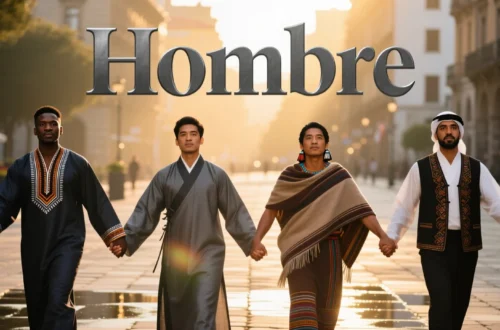
When I first started learning Japanese, one small word changed everything: “you.”
In English, we use “you” without thinking. But in Japan, I quickly learned that it’s far more than a pronoun — it’s a reflection of respect, relationship, and emotion.
One day in Tokyo, a kind woman corrected me when I called her “anata” (あなた). She smiled and said, “Just use my name — it sounds warmer.” That’s when it clicked: in Japanese, the way you say you defines how you see the other person.
From Asia to Africa, from the islands of the Pacific to the cities of Europe, the word “you” reveals how cultures express connection and respect. Let’s explore how this simple word carries centuries of meaning around the world — starting with how to say you in Japanese.
🗺️ Table: How to Say “You” in Different Languages
| Language | Word/Phrase for “You” | Cultural Insight |
|---|---|---|
| Japanese | Anata (あなた) | Common but formal; often replaced with names or titles to show respect. |
| Turkish | Sen / Siz | “Sen” for informal; “Siz” for polite or plural. |
| English | You | Universal and neutral — context defines tone. |
| French | Tu / Vous | “Tu” for informal, “Vous” for polite or plural. |
| Spanish | Tú / Usted / Vos | Reflects social distance and hierarchy. |
| Italian | Tu / Lei / Voi | Varies by region and formality. |
| German | Du / Sie | “Du” for friends; “Sie” shows respect. |
| Arabic | Anta / Anti / Antum | Gender and number specific; carries deep social nuance. |
| Hindi | Tum / Aap / Tu | Chosen based on respect, age, or closeness. |
| Swahili | Wewe / Ninyi | “Wewe” for singular; “Ninyi” for plural. |
| Zulu | Wena | Shows individuality and presence. |
| Maori | Koe / Koutou | “Koe” for one person, “Koutou” for several. |
| Hawaiian | ʻOe / ʻOutou | Gender-neutral and melodic. |
| Russian | Ty / Vy (Ты / Вы) | “Ty” for friends, “Vy” for respect. |
🇯🇵 How to Say You in Japanese
In Japanese, the word “you” isn’t used as freely as in English. The most common forms include:
- Anata (あなた): Neutral and polite; often used by women to refer to their husbands.
- Kimi (君): Informal, often used by men toward close friends or juniors.
- Omae (お前): Casual and masculine; friendly among peers but rude if used incorrectly.
- Kisama (貴様): Historically respectful, now used sarcastically or in anger.
- Name or Title: In Japan, people often use the person’s name + “-san” (e.g., Tanaka-san) instead of saying “you.”
Cultural Insight:
Japanese language avoids direct pronouns to maintain harmony (wa). Using someone’s name instead of “you” reflects empathy and respect — values deeply embedded in Japanese society.
So while “anata” might mean you, in daily life, the real word for “you” in Japanese is the person’s name — spoken with care.
🇪🇺 How to Say You in European Languages
Europe has always balanced equality and respect through language:
- French — Tu / Vous: “Tu” for intimacy, “Vous” for formality. Switching between them is a cultural milestone.
- Spanish — Tú / Usted / Vos: Spain prefers “tú” among friends, while Latin America varies regionally.
- German — Du / Sie: A handshake or time spent together often decides when “Du” can replace “Sie.”
- Italian — Tu / Lei: “Lei” literally means “she,” but is used respectfully.
- Turkish — Sen / Siz: “Sen” is casual, “Siz” shows respect — much like “Du/Sie.”
- Russian — Ty / Vy: A single letter changes everything — from friendly to formal.
Europe’s use of “you” reminds us that language shapes relationships — and boundaries.
🌏 How to Say You in Asian Languages
Asia’s cultural fabric gives “you” a spiritual and hierarchical meaning.
- Chinese — Nǐ / Nín (你 / 您): “Nín” adds honor, showing deep respect for elders or superiors.
- Korean — Dangsin (당신): Literally means “you,” but rarely used; names or titles are preferred.
- Hindi — Tum / Aap / Tu: “Aap” for respect, “Tum” for equals, “Tu” for intimacy or rudeness depending on tone.
- Thai — Khun: Neutral and respectful, genderless, widely used.
- Vietnamese — Bạn / Anh / Chị / Em: Depends on age and gender — every relationship has a specific word.
- Arabic — Anta / Anti / Antum: Pronouns change with gender and number; shows linguistic richness.
- Indonesian — Kamu / Anda: “Anda” is polite, “Kamu” casual and friendly.
In many Asian cultures, the word “you” is avoided not because people are distant — but because they’re deeply aware of emotional balance and respect.
🌍 How to Say You in African Languages
African languages often focus on community and inclusiveness.
- Swahili — Wewe / Ninyi: “Wewe” for one person, “Ninyi” for group — both warm and open.
- Zulu — Wena: Literally “you,” but carries a sense of presence and being seen.
- Yoruba — Iwo / Eyin: “Iwo” informal, “Eyin” polite — similar to European distinctions.
- Amharic — Ante / Anchi: Differ by gender, showing relational awareness.
- Akan (Ghana) — Wo: Used with tone variation to express emotion.
- Somali — Adiga: A straightforward but gentle pronoun.
- Berber — Keçç / Kunwi: Ancient forms still used in rural areas.
- Hausa — Kai / Ke: Gender-differentiated and respectful.
- Lingala — Yo: Short, friendly, and musical.
- Shona — Iwe: Expressive, often accompanied by gesture.
In Africa, you often implies we — reminding us that identity is shared, not solitary.
🌺 How to Say You in Indigenous & Island Languages
Island and Indigenous cultures view language as sacred — even a pronoun can express love and belonging.
- Hawaiian — ʻOe / ʻOutou: Used in song and speech; conveys equality and peace.
- Maori — Koe / Koutou: Gently inclusive; “Kia ora koe” means “hello to you.”
- Samoan — Oe / Outou: Indicates singular or plural; tone shows warmth.
- Cherokee — Nihi: Means “you,” but also implies shared understanding.
- Tahitian — ‘Oe: Melodic and open-hearted.
- Fijian — Ko iko: Friendly and rhythmic, often used in chants.
- Guaraní — Ndé: Reflects closeness and familiarity.
- Haitian Creole — Ou / Nou: “Ou” for one, “Nou” for many — rooted in French heritage.
- Tagalog — Ikaw / Kayo: “Ikaw” is informal, “Kayo” respectful.
- Inuit — Ilisarnaatit: Used for both person and presence — spiritual and personal.
In these cultures, saying you is less about grammar — it’s about honoring the person’s existence.
💬 Cultural Insights: The Evolution of “You”
The English “you” evolved from Old English “þu” and “ge,” which separated singular and plural. Over centuries, you became universal, representing equality.
In contrast, Japanese and other Asian languages retained layers of respect, age, and intimacy within their pronouns. This reveals a global truth:
“How we say you defines how we see others.”
Whether through “anata,” “vous,” or “aap,” every language teaches that identity is not solitary — it’s relational.
🌸 Proverbs About “You” Across Cultures
- Japanese: “The nail that stands out gets hammered down.” — respect harmony over individuality.
- Arabic: “Speak to people in the language they understand.”
- Chinese: “A single conversation across the table with a wise person is worth a month’s study of books.”
- African Proverb: “If you want to go fast, go alone. If you want to go far, go together.”
- French: “Tu” and “Vous” — even pronouns teach when to be close and when to be courteous.
❓ FAQs
Q1: What is the most common word for “you” in Japanese?
“Anata (あなた)” is the standard form, but Japanese people often avoid pronouns and use names instead.
Q2: Why do Japanese people rarely say “you”?
Because it can sound distant or impolite — using the person’s name feels warmer and more respectful.
Q3: Are there rude ways to say “you” in Japanese?
Yes — words like “omae” and “kisama” can sound offensive depending on tone or context.
Q4: How is “you” different in Asian vs. European languages?
Asian languages tie “you” to respect and hierarchy, while European ones focus on formality and social distance.
Q5: What can we learn from how languages say “you”?
That human connection is about recognition — how we acknowledge each other defines cultural empathy.
❤️ Conclusion: The Universal Meaning of “You”
In every corner of the world, the word “you” holds power.
In Japan, it’s spoken softly or not at all — in Europe, it defines relationships — and in Africa, it celebrates community.
So the next time you look someone in the eyes and say you, remember: it’s not just a pronoun.
It’s a promise — “I see you, I respect you, I recognize you.”
💬 Your Turn:
How do you say “you” in your language? Share it in the comments and join a global conversation on connection and respect. 🌏