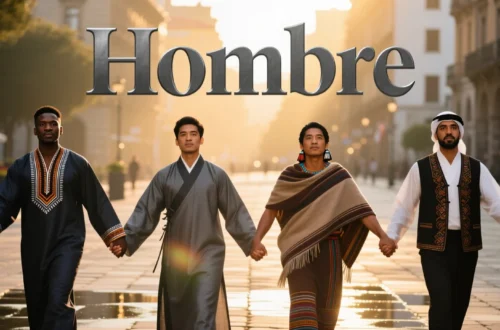
I still remember standing in a small Lisbon café on a rainy afternoon. The owner, an elderly Portuguese woman, handed me a cup of steaming espresso and a pastel de nata. When I said, “Obrigado,” her eyes lit up, and she responded, “De nada” — “You’re welcome.”
It was a small exchange, but it carried warmth and connection beyond words.
That’s the beauty of “thank you” — two simple words that bridge hearts. Learning how to say thank you in Portuguese is not just about mastering a phrase; it’s about understanding a culture that values kindness, humility, and respect.
And when we explore how gratitude sounds across the world, we find one universal truth: thankfulness is a language of the soul.
🗺️ Table of Gratitude Around the World
| Language | Phrase for “Thank You” | Cultural Insight |
|---|---|---|
| Portuguese | Obrigado / Obrigada | Masculine and feminine forms; a genuine, heartfelt “thank you.” |
| English | Thank you / Thanks | Simple yet powerful; often followed by a smile or handshake. |
| French | Merci | Short but elegant; used in every polite exchange. |
| Spanish | Gracias | Expressive and warm, often followed by “de nada.” |
| Italian | Grazie | Spoken with passion and melody — Italians feel their gratitude. |
| German | Danke / Vielen Dank | Polite and formal, showing sincere appreciation. |
| Arabic | Shukran (شكراً) | Deeply rooted in respect; used across all Arabic-speaking cultures. |
| Japanese | Arigatō (ありがとう) | Expresses deep humility; can vary in formality levels. |
| Mandarin (Chinese) | Xièxiè (谢谢) | Often repeated twice for emphasis; polite and friendly. |
| Hindi (India) | Dhanyavaad (धन्यवाद) | Formal, often replaced with gestures or smiles in casual speech. |
| Swahili | Asante | A cheerful, warm word of gratitude across East Africa. |
| Zulu | Ngiyabonga | “I thank you” — both a word and an acknowledgment of respect. |
| Hawaiian | Mahalo | Means “thank you” and carries spiritual depth. |
| Russian | Spasibo (Спасибо) | Derived from “God save you”; gratitude linked to faith. |
| Turkish | Teşekkür ederim | Means “I offer my thanks”; formal and heartfelt. |
🇵🇹 How to Say Thank You in Portuguese
The Portuguese phrase for “thank you” is “Obrigado” (if you’re male) and “Obrigada” (if you’re female).
The literal meaning stems from the old Portuguese word obrigar, meaning “to be obliged” — expressing that someone has done something that makes you feel thankful and connected to them.
🧠 Cultural Insight:
In Portugal and Brazil, gratitude is more than courtesy; it’s emotion in action.
You’ll often hear variations like:
- Muito obrigado/a — “Thank you very much.”
- Obrigadinho/a — a playful, affectionate version (“thanks a little”).
- Valeu! — Brazilian slang for “thanks,” used among friends.
Whether you’re sipping coffee in Lisbon or dancing in Rio, a sincere “Obrigado” can open hearts.
🇪🇺 How to Say Thank You in European Languages
Europe’s expressions of gratitude reflect centuries of etiquette, religion, and charm.
- France — Merci: Elegant, effortless, and ever-present.
- Spain — Gracias: Spoken with emotion; often followed by a smile.
- Italy — Grazie: Said with music in the voice — and maybe a hand gesture too.
- Germany — Danke schön: “Thank you kindly”; formal yet warm.
- Greece — Efharistó: Derived from “charis,” meaning “grace.”
- Poland — Dziękuję: A respectful way to express sincere thanks.
- Netherlands — Dank je: Casual and common, reflecting Dutch simplicity.
In Europe, thank you is not just etiquette — it’s a symbol of connection and mutual respect.
🌏 How to Say Thank You in Asian Languages
Asia’s gratitude expressions are poetic and profound — blending humility and honor.
- Japan — Arigatō gozaimasu: Deeply respectful, expressing heartfelt thanks.
- China — Xièxiè: A melody of appreciation; tone and repetition matter.
- India — Dhanyavaad / Shukriya: Formal in speech, but genuine in emotion.
- Korea — Gamsahamnida: A gentle and polite thank you.
- Thailand — Khob khun ka/krub: Gendered like Portuguese; always with a smile and bow.
- Vietnam — Cảm ơn: Literally means “to feel favor.”
- Arabic-speaking world — Shukran: Rooted in the word for “thanks,” shared by millions daily.
- Turkey — Teşekkür ederim: “I thank you”; used both formally and casually.
- Philippines — Salamat: Derived from Arabic, now infused with Filipino warmth.
- Indonesia — Terima kasih: Means “to accept love” — a poetic take on gratitude.
In Asia, gratitude often includes gestures — bows, handshakes, or smiles — because emotion and expression go hand in hand.
🌍 How to Say Thank You in African Languages
African greetings of gratitude are often communal and full of spirit.
- Swahili — Asante sana: “Thank you very much”; joyful and melodic.
- Zulu — Ngiyabonga: “I thank you”; used sincerely in daily life.
- Yoruba — E se: “Thank you”; short but powerful.
- Amharic — Ameseginalehu: Formal and polite, common in Ethiopia.
- Shona — Ndatenda: “I am grateful.”
- Akan — Meda wo ase: “I lie under your feet,” expressing deep respect.
- Somali — Mahadsanid: Means “I am thankful.”
- Lingala — Matondo: Often used with gestures of joy.
- Hausa — Nagode: Spoken with gratitude and humility.
- Berber — Tanemmirt: “Thanks,” used across North Africa.
Gratitude in Africa often includes song, touch, and community — a reminder that thankfulness is best when shared.
🌺 How to Say Thank You in Indigenous & Island Languages
Indigenous and island greetings of gratitude celebrate nature, connection, and harmony.
- Hawaiian — Mahalo: A deep word meaning gratitude, respect, and love.
- Maori — Ngā mihi / Kia ora: “Thank you” and “be well”; used interchangeably.
- Samoan — Fa’afetai: A heartfelt “thank you” tied to faith and family.
- Cherokee — Wado: Means “thank you” and also “I appreciate you.”
- Tahitian — Māuruuru: “Grateful” — melodic and spiritual.
- Fijian — Vinaka: “Thank you”; also used to say “good.”
- Inuit — Qujannamiik: Means “I am thankful.”
- Tagalog — Salamat: Rooted in Arabic salam (“peace”); shows shared history.
- Guaraní — Aguyje: “Thanks”; used in both daily and ceremonial contexts.
- Haitian Creole — Mèsi: From French “merci,” but with island rhythm and warmth.
These words show how gratitude transcends words — it becomes a vibration of kindness across cultures.
💬 Cultural Insights: The Meaning Behind Obrigado
Portuguese gratitude carries both humility and mutual respect.
When you say “Obrigado”, you’re not just thanking someone — you’re acknowledging their kindness as something that binds you in a small, human promise: I am obliged by your goodness.
In Brazilian culture, “thank you” often comes with laughter, gestures, and warmth — gratitude is lived out loud.
In Portugal, it’s calm and sincere — spoken softly, with deep meaning.
Across all cultures, gratitude is not about language; it’s about presence.
🌸 Proverbs About Gratitude Across Cultures
- Portuguese: “Quem agradece é digno de receber mais.” — “He who gives thanks is worthy of receiving more.”
- Japanese: “A thankful heart is a happy heart.”
- Swahili: “Shukrani ni mali.” — “Gratitude is wealth.”
- English: “Gratitude turns what we have into enough.”
- Arabic: “He who is not thankful for small things will not be thankful for big ones.”
Every culture teaches that gratitude deepens joy and multiplies kindness.
❓ FAQs
Q1: What does “Obrigado” mean in Portuguese?
It literally means “I am obliged” — expressing heartfelt thanks.
Q2: Why are there two forms, Obrigado and Obrigada?
Men say Obrigado, and women say Obrigada — both mean “thank you.”
Q3: How do Brazilians say thank you informally?
They often say “Valeu!” — casual and cheerful, similar to “Thanks!”
Q4: What’s the difference between Obrigado and Muito obrigado?
“Muito obrigado/a” means “Thank you very much” — a stronger form of appreciation.
Q5: What’s the best way to respond to Obrigado?
Say “De nada”, meaning “You’re welcome.”
❤️ Conclusion: Gratitude is the World’s Shared Language
From Lisbon’s cobblestone streets to Brazil’s sunlit beaches, “Obrigado” carries a melody of kindness that transcends borders.
No matter where you are — whether saying Gracias, Merci, or Mahalo — gratitude connects us through one simple truth: thankfulness makes us human.
💬 Now it’s your turn!
How do you say “thank you” in your language? Share it in the comments and let’s build a global gratitude chain together! 🌍✨