Every culture has a word that feels like home — one that wraps us in comfort, safety, and love. For many, that word is “Dad.”
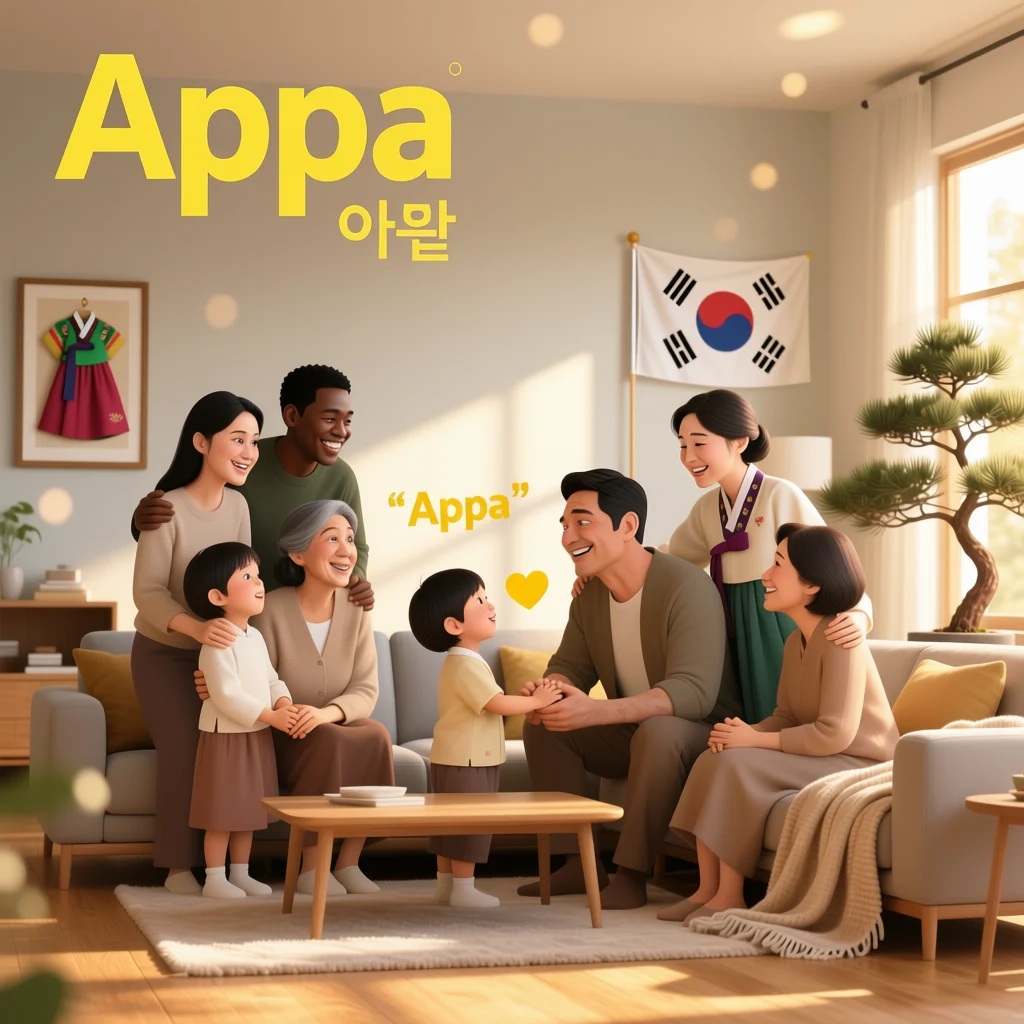
When I first heard a little Korean child call his father “Appa (아빠),” I noticed the softness in his voice and the pride in his father’s smile. It wasn’t just a name; it was a bond. That’s when I realized that across the world, every word for “father” carries the same heartbeat — love, protection, and gratitude.
Learning how to say dad in Korean isn’t just about pronunciation; it’s about understanding how languages hold the warmth of family.
📘 Table: Words for “Dad” in Different Languages
| Language | Word for “Dad” | Cultural Insight |
|---|---|---|
| Korean | Appa (아빠) | Used lovingly by children; casual and emotional. |
| English | Dad / Daddy | Universal and affectionate; common in family speech. |
| Turkish | Baba | Symbolizes respect and authority within the family. |
| Spanish | Papá | Spoken with warmth; often used in emotional expressions. |
| French | Papa | Gentle and affectionate; part of daily family life. |
| Italian | Papà | Expressive and melodic, showing closeness. |
| German | Vater / Papa | “Vater” is formal; “Papa” is casual and loving. |
| Hindi | Papa / Pitaji | “Pitaji” is respectful, “Papa” affectionate. |
| Arabic | Ab / Baba | Varies by region; both convey deep respect. |
| Swahili | Baba | Used with reverence and affection in East Africa. |
| Japanese | Otōsan / Papa | “Otōsan” is polite, “Papa” is modern and friendly. |
| Mandarin Chinese | Bàba (爸爸) | Common family term; warm and simple. |
| Russian | Papa (Папа) | Reflects tenderness; widely used in family speech. |
| Zulu | Ubaba | Deeply respectful; part of African family traditions. |
| Hawaiian | Makua kāne | Literally means “male parent”; used with reverence. |
🇰🇷 How to Say Dad in Korean
In Korean, “dad” is “Appa” (아빠) — pronounced ah-ppa.
It’s an affectionate and informal word used by children and family members to address their father lovingly.
🫶 Cultural Insight
Korean culture places immense value on family hierarchy and respect. While “Appa” is tender and casual, in formal contexts (such as writing or speaking about someone else’s father), the word “Abeoji” (아버지) is used.
- Appa (아빠): Informal and emotional — like “Dad.”
- Abeoji (아버지): Formal and respectful — like “Father.”
These two versions reflect Korea’s balance between love and respect — where family language embodies emotional depth and cultural etiquette.
🇪🇺 How to Say Dad in European Languages
Europe’s words for “dad” often sound similar, showing the shared human instinct of affection.
- France – Papa: Sweet, everyday expression of love.
- Spain – Papá: Often used in songs, stories, and family conversations.
- Italy – Papà: Expressive and musical, like Italian life itself.
- Germany – Papa / Vater: Combines warmth and respect.
- Greek – Babas: Derived from ancient roots; affectionate and proud.
- Portuguese – Pai: A short, powerful word of endearment.
Across Europe, these words mirror cultures where family is central — and a father’s presence symbolizes guidance and love.
🌏 How to Say Dad in Asian Languages
Asia’s family structures and languages reveal deep respect for fatherhood:
- Korea – Appa / Abeoji: Love balanced with honor.
- Japan – Otōsan: Literally means “respected father”; polite and affectionate.
- China – Bàba (爸爸): Used warmly by both children and adults.
- India – Papa / Pitaji: Shows the coexistence of modern affection and traditional respect.
- Turkey – Baba: Represents authority and strength in the family.
- Thailand – Pho: Rooted in Buddhist and familial values.
- Vietnam – Bố / Cha: Different words for closeness and respect.
- Arabic-speaking regions – Baba: A tender expression spread across Middle Eastern cultures.
- Indonesia – Ayah / Papa: Both loving and modern.
- Philippines – Tatay / Papa: Strongly tied to Filipino family values.
Asian languages reveal how fathers are both protectors and emotional anchors.
🌍 How to Say Dad in African Languages
In Africa, the word for “dad” carries depth, respect, and community significance.
- Swahili – Baba: Symbol of family leadership and wisdom.
- Zulu – Ubaba: A term of reverence.
- Yoruba – Baba / Papa: Reflects love and deep cultural roots.
- Akan (Ghana) – Agya: Used respectfully in family and community.
- Shona – Baba: Central to family unity in Zimbabwe.
- Amharic – Abat: Revered figure and moral guide.
- Somali – Aabo: Spoken softly, expressing care.
- Lingala – Tata: Simple, affectionate, widely understood.
- Berber – Baba: Ancient and cross-cultural.
- Hausa – Uba: Deep respect and authority embedded in the word.
In many African societies, “father” is not just a person — it’s a symbol of wisdom, history, and belonging.
🌺 How to Say Dad in Indigenous & Island Languages
Island and indigenous cultures express “dad” through connections to nature, family, and spirit.
- Hawaiian – Makua kāne: “Male parent”; a revered family pillar.
- Maori – Matua tāne: Reflects respect and spiritual grounding.
- Samoan – Tama: Means father, but also ancestor — linking generations.
- Cherokee – Eduda: Sacred family bond and lineage.
- Tahitian – Tamā: Associated with life-giving and responsibility.
- Fijian – Tama: Expresses honor and affection.
- Inuit – Ataata: Respectful and heartfelt.
- Haitian Creole – Papa: Reflects French influence and emotional depth.
- Tagalog – Tatay: Deeply traditional; evokes warmth and care.
- Guaraní – Ru: Compact yet profound; the origin of one’s life.
Across these cultures, “dad” represents continuity — a bridge between generations and the spirit of home.
💬 Cultural Insights: Fatherhood Through Time
The word for “dad” has ancient roots — most stemming from the primal sounds children make (“pa,” “ba,” “da”). Over centuries, these sounds evolved into universal expressions of love and security.
In Korean, Appa reflects affection, while Abeoji carries respect — a duality found across many languages. Whether spoken in Seoul, Rome, or Nairobi, every version of “dad” celebrates care, protection, and connection.
🌸 Proverbs About Fathers Across Cultures
- Korean: “A father’s love is the mountain that never moves.”
- Turkish: “A father is a shield for his children.”
- Chinese: “A father’s virtue is the roof of the house.”
- African proverb: “A child who is carried on the back will not know how far the journey is.”
- English: “Like father, like son.”
These proverbs remind us that fathers shape our paths — through love, wisdom, and quiet strength.
❓ FAQs
Q1: What is “dad” in Korean?
The Korean word for dad is “Appa (아빠)”, used in informal, loving situations.
Q2: How do you pronounce Appa?
Pronounced ah-ppa — with a soft, doubled “p” sound.
Q3: What’s the difference between “Appa” and “Abeoji”?
“Appa” is casual (like “Dad”), while “Abeoji” is formal (like “Father”) and used to show deep respect.
Q4: Why do words for “dad” sound similar worldwide?
Because most originate from the natural sounds babies make (“pa,” “ba”) — the earliest linguistic forms of affection.
Q5: How is fatherhood viewed in Korean culture?
Korean fathers are symbols of strength and duty, but modern culture embraces emotional closeness — captured beautifully in the word “Appa.”
❤️ Conclusion: A Universal Word for Love and Strength
Whether you say Appa, Papa, Baba, or Dad, the feeling is the same — gratitude, love, and home.
Learning how to say dad in Korean connects you not just with language, but with a shared human experience — one that honors the hands that guided us and the hearts that protected us.
💬 Now it’s your turn:
How do you say “dad” in your language? Share it in the comments — let’s create a global tribute to fathers everywhere. 🌍💙