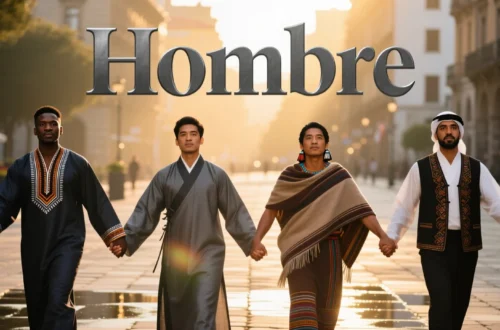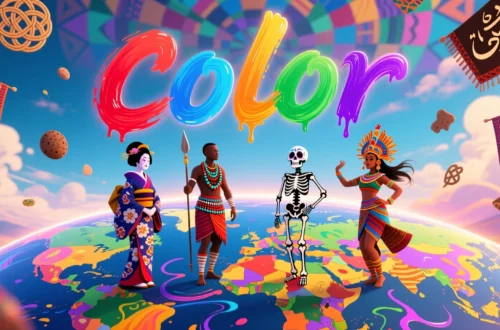
There’s something magical about the moment you tell someone they’re beautiful — not just in looks, but in spirit.
When I first learned to say “Eres hermosa” (you are beautiful) in Spanish, I noticed how people’s eyes lit up differently. The word carried more than flattery — it felt personal, emotional, and sincere.
Language is love made audible. Every culture has its own way of celebrating beauty — through poetry, songs, or everyday speech. Yet, the message is the same: to recognize someone’s worth and radiance.
Let’s explore how to say “you are beautiful” not only in Spanish but also across the world, and understand how this simple compliment reveals our shared humanity.
🗺️ Table of Compliments Around the World
| Language | Phrase for “You are Beautiful” | Cultural Insight |
|---|---|---|
| Spanish | Eres hermosa / Eres bonita | “Hermosa” for heartfelt beauty, “bonita” for everyday charm. |
| Turkish | Sen güzelsin | Often used poetically; beauty in Turkey is tied to grace and kindness. |
| French | Tu es belle / Tu es beau | A romantic phrase that captures France’s love for elegance and art. |
| Italian | Sei bellissima / Sei bello | Expressive and passionate — often said with deep emotion. |
| German | Du bist schön | Direct and sincere — often used to compliment character as much as looks. |
| Arabic | Anti jamila (أنت جميلة) | Deeply poetic; beauty is both inner and outer. |
| Japanese | Anata wa utsukushii desu (あなたは美しいです) | Formal and respectful; rarely said casually. |
| Hindi (India) | Tum khoobsurat ho (तुम खूबसूरत हो) | Used warmly, emphasizing both beauty and respect. |
| Swahili | Wewe ni mrembo | Means beautiful, used affectionately across East Africa. |
| Zulu | Umuhle | Carries both aesthetic and moral beauty. |
| Hawaiian | Nani ʻoe | “You are beautiful”; reflects purity and grace of nature. |
| Maori | He ataahua koe | Means “you are beautiful” — symbolic of inner and outer beauty. |
| Mandarin | Nǐ hěn piàoliang (你很漂亮) | Expresses admiration with gentle sincerity. |
| Russian | Ty krasivaya (Ты красивая) | Often said warmly, not just romantically. |
| Portuguese | Você é linda / lindo | Common in Brazil and Portugal; expresses affection and warmth. |
🇪🇸 How Do You Say “You Are Beautiful” in Spanish?
In Spanish, “You are beautiful” can be said in a few ways:
- Eres hermosa – elegant, poetic, often romantic.
- Eres bonita – casual, friendly, and sweet.
- Eres guapa – common in Spain, means “you’re good-looking.”
- Eres linda – popular in Latin America, expresses both charm and affection.
Cultural Insight:
In Spanish-speaking cultures, compliments are often personal and sincere. They go beyond appearance — they express appreciation for someone’s energy, smile, or personality.
So when you say “Eres hermosa,” you’re not just saying “you look nice” — you’re saying “your presence brightens this moment.”
🇪🇺 European Languages: The Elegance of Compliments
Europe’s romantic languages have shaped how the world expresses beauty.
- French — Tu es belle: Deeply tied to France’s artistic culture and romance.
- Italian — Sei bellissima: Expressed with passion, often accompanied by gestures.
- Portuguese — Você é linda: Smooth, lyrical, and melodic, especially in Brazilian Portuguese.
- German — Du bist schön: Straightforward, often implying honesty.
- Greek — Eisai omorfí: Reflects appreciation not just for beauty, but for spirit.
In Europe, compliments are part of daily communication — sometimes poetic, sometimes playful, but always human.
🌏 Asian Languages: Beauty in Respect and Spirit
Across Asia, the expression of beauty often includes humility, reverence, and soulfulness.
- Arabic — Anti jamila (أنت جميلة): Often used in songs and poetry; beauty is divine.
- Japanese — Anata wa utsukushii desu: Formal, respectful, rarely said directly — beauty is often implied.
- Korean — Neomu yeppeoyo (너무 예뻐요): “You’re so pretty” — common among friends or couples.
- Hindi — Tum khoobsurat ho: A genuine, heartfelt compliment used in everyday conversation.
- Mandarin — Nǐ hěn piàoliang: Gentle praise; tone matters more than the words.
- Thai — Khun suay mak: Means “you’re very beautiful” — often said kindly and politely.
- Tagalog — Ang ganda mo: “You are beautiful” — used with natural warmth and joy.
- Vietnamese — Bạn rất đẹp: A polite and respectful compliment.
- Indonesian — Kamu cantik: Simple, sincere, and affectionate.
In many Asian languages, compliments balance respect and affection — beauty is recognized but never objectified.
🌍 African Languages: Compliments of Connection and Grace
African expressions of beauty are rich in meaning — they often praise both inner strength and outer grace.
- Swahili — Wewe ni mrembo: Used to describe both physical and inner beauty.
- Zulu — Umuhle: Means “you are good/beautiful”; also refers to moral beauty.
- Yoruba — O lẹwa: Praises elegance and cultural grace.
- Amharic — Konjo nesh: “You are beautiful” — used sincerely in daily life.
- Somali — Qurux badan tahay: Deeply expressive, often in songs or poetry.
- Akan (Ghana) — Wo ho yɛ fɛ: Literally “your body is beautiful.”
- Hausa — Kina da kyau: Warm, friendly compliment for women.
- Lingala — Ozali kitoko: Means “you are beautiful”; widely used in music.
Across Africa, compliments are storytelling moments — they affirm dignity, love, and appreciation.
🌺 Indigenous & Island Languages: Beauty Rooted in Nature
Island and indigenous languages often describe beauty as harmony — between people, spirit, and the earth.
- Hawaiian — Nani ʻoe: Reflects both physical beauty and pure heart.
- Maori — He ataahua koe: Tied to spiritual and natural beauty.
- Samoan — E manaia oe: “You are beautiful” — also means “you are good.”
- Tahitian — Ua rouru roa oe: Romantic and poetic compliment.
- Cherokee — Svhiyu: A blessing and expression of admiration.
- Inuit — Pualungajuq: Describes beauty in simplicity and strength.
- Fijian — Sa totoka o iko: “You are beautiful”; said with sincerity.
- Guaraní — Nde porã: Expresses respect, warmth, and admiration.
These languages remind us that beauty is not just seen — it is felt, shared, and lived.
💬 Cultural Insights: How Compliments Reflect Civilization
The way we say “you are beautiful” shows how a culture views emotion, gender, and respect.
In some societies, beauty is divine — in others, it’s personal or poetic. Spanish-speaking cultures blend both — beauty is about presence, not perfection.
Language becomes a mirror: through compliments, we see how humans express appreciation, empathy, and love.
🌸 Proverbs About Beauty Around the World
- Spanish: “La belleza está en los ojos del que mira.” — “Beauty is in the eye of the beholder.”
- Arabic: “Beauty without virtue is like a flower without fragrance.”
- Chinese: “A pretty face is nothing if the heart is ugly.”
- Turkish: “A beautiful heart makes a beautiful face.”
- Swahili: “Uzuri wa mtu ni utu wake.” — “A person’s beauty is their character.”
Every culture teaches us the same lesson: true beauty glows from within.
❓ FAQs
Q1: How do you say “you are beautiful” in Spanish?
You can say “Eres hermosa” (romantic and poetic), “Eres bonita” (casual), or “Eres linda” (affectionate).
Q2: What is the difference between “hermosa” and “bonita”?
“Hermosa” means deeply beautiful — often emotional or romantic. “Bonita” means cute or pretty — more casual.
Q3: Can men be called “beautiful” in Spanish?
Yes! You can say “Eres hermoso” or “Eres guapo” for men.
Q4: How do Latin Americans use compliments?
Warmly and frequently — but with sincerity. Compliments are a form of connection.
Q5: What’s the cultural meaning of beauty in Spanish-speaking countries?
It reflects joy, soul, and presence — beauty is celebrated as a feeling, not a standard.
❤️ Conclusion: Beauty in Words, Beauty in Humanity
Whether you say “Eres hermosa,” “Tu es belle,” or “Nani ʻoe,” each phrase holds the same spark — a recognition of someone’s light.
Saying “you are beautiful” in any language is more than praise — it’s a reminder that connection, kindness, and admiration are universal.
✨ Now it’s your turn:
How do you say “you are beautiful” in your language? Share it below and let’s celebrate global beauty — one word at a time. 💬