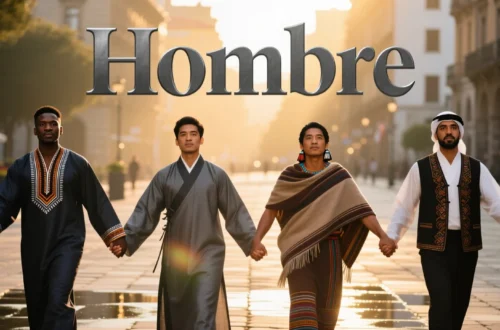
Gratitude is a universal emotion — simple yet profound. It transcends words, borders, and time.
I still remember my first trip to Beijing. After a stranger helped me find my way on a crowded subway, I smiled and said, “Xièxiè” (pronounced shieh-shieh). The man nodded warmly. That moment — two people from different worlds connected by a single word — reminded me that gratitude needs no translation.
Learning how to say thank you in Mandarin isn’t just about language; it’s about acknowledging kindness, respecting culture, and honoring shared humanity.
Let’s travel through languages and cultures to see how the world says “thank you” — and what those words truly mean.
🗺️ Table of Ways to Say “Thank You” Around the World
| Language | Word/Phrase for “Thank You” | Cultural Insight |
|---|---|---|
| Mandarin (Chinese) | Xièxiè (谢谢) | Expresses sincere gratitude; repetition adds warmth and politeness. |
| English | Thank you | The most common phrase of appreciation in English-speaking cultures. |
| French | Merci | Derived from Latin “merces,” meaning “favor” or “reward.” |
| Spanish | Gracias | Rooted in “grace”; conveys heartfelt appreciation. |
| Italian | Grazie | Said with warmth; tone often carries as much meaning as the word. |
| German | Danke / Dankeschön | “Danke” for casual, “Dankeschön” for formal or deep thanks. |
| Arabic | Shukran (شكراً) | Comes from the root “shukr,” meaning gratitude to both people and God. |
| Hindi (India) | Dhanyavaad (धन्यवाद) | Formal word showing respect; sometimes replaced by “thank you.” |
| Japanese | Arigatō (ありがとう) | Reflects humility and appreciation; literally means “hard to exist.” |
| Turkish | Teşekkür ederim | “I give my thanks”; deeply polite and sincere. |
| Swahili | Asante | Used warmly across East Africa; “Asante sana” means “thank you very much.” |
| Zulu | Ngiyabonga | “I am thankful”; used for both small and great gestures. |
| Hawaiian | Mahalo | Means gratitude, respect, and appreciation in one word. |
| Maori | Ngā mihi / Kia ora | Expresses thanks, life, and respect simultaneously. |
| Russian | Spasibo (Спасибо) | Originates from “Spasi Bog” — “May God save you.” |
🇨🇳 How Do You Say Thank You in Mandarin
In Mandarin, “thank you” is “Xièxiè” (谢谢) — pronounced shieh-shieh.
It’s one of the first words every learner picks up, yet its depth goes beyond translation.
Cultural Insight:
In China, gratitude is expressed with humility. Saying “Xièxiè” is often accompanied by a slight nod or smile. In formal settings, one might add “Xièxiè nǐ” (谢谢你) — “thank you (personally).”
While many Westerners express gratitude frequently, traditional Chinese culture values actions over words — showing appreciation through reciprocity, respect, or gift-giving rather than repetition. However, modern Chinese society embraces verbal thanks as a mark of politeness.
Learning how to say “thank you” in Mandarin isn’t just linguistic — it’s learning how to convey grace and humility in one of the world’s most ancient cultures.
🇪🇺 How to Say Thank You in European Languages
Europe’s expressions of gratitude blend formality and emotion.
- French — Merci: Soft, elegant, and universally understood.
- Spanish — Gracias: Often paired with gestures and tone expressing joy.
- Italian — Grazie: Delivered with passion and warmth — “Grazie mille” means “a thousand thanks.”
- German — Danke / Vielen Dank: A mark of respect and politeness.
- Portuguese — Obrigado / Obrigada: Means “I am obliged”; expresses moral gratitude.
- Greek — Efharistó: Comes from “charis” (grace); also the root of “Eucharist.”
Each word tells a story of Europe’s long tradition of courtesy and cultural refinement.
🌏 How to Say Thank You in Asian Languages
Asia’s languages tie gratitude to humility, spirituality, and respect.
- Japan — Arigatō gozaimasu: Deeply polite; literally “it’s difficult to exist (without you).”
- India — Dhanyavaad: Derived from Sanskrit; formal expression of thankfulness.
- Korea — Gamsahamnida: A phrase layered with reverence and sincerity.
- Arabic — Shukran: A spiritual thank you — often replied with “Afwan” (you’re welcome).
- Thai — Khob khun ka/krub: Always paired with a “wai” (palms pressed together).
- Vietnam — Cảm ơn: Means “to feel favor”; represents heartfelt acknowledgment.
- Indonesian — Terima kasih: Literally “to receive love.”
- Filipino — Salamat: Rooted in Arabic “Salāmah” (peace); a sign of gratitude and goodwill.
- Turkish — Teşekkür ederim: “I give my thanks” — highly formal and sincere.
Asia teaches that gratitude isn’t just said — it’s lived.
🌍 How to Say Thank You in African Languages
African greetings of thanks are infused with warmth, community, and connection.
- Swahili — Asante: Said with joy; “Asante sana” adds depth.
- Zulu — Ngiyabonga: Expresses genuine appreciation; “Siyabonga” (we thank you) extends to groups.
- Yoruba — E se: Simple and heartfelt, used daily in Nigeria.
- Amharic — Ameseginalehu: Formal and poetic gratitude.
- Akan (Ghana) — Medaase: “I lay it down” — a gesture of humility.
- Somali — Mahadsanid: Expresses both thanks and blessing.
- Hausa — Na gode: A phrase for both polite and deep appreciation.
- Shona — Ndatenda: Literally “I thank you”; often used in prayers.
- Berber — Tanemmirt: Ancient word of thanks, still alive today.
- Lingala — Matondo: Simple, musical, and joyful.
In African societies, saying “thank you” is about strengthening human bonds — a social heartbeat of respect and joy.
🌺 How to Say Thank You in Indigenous & Island Languages
- Hawaiian — Mahalo: Embodies love, respect, and appreciation; used in both speech and culture.
- Maori — Ngā mihi: Acknowledges goodwill and connection.
- Samoan — Fa’afetai: “Thank you” with deep emotional tone.
- Cherokee — Wado: A word of sacred appreciation.
- Tahitian — Māuruuru: Means gratitude and happiness.
- Fijian — Vinaka: Used for both “thank you” and “good.”
- Inuit — Qujannamiik: From Arctic Canada; conveys heartfelt thanks.
- Haitian Creole — Mèsi: Derived from French “merci,” now uniquely Creole.
- Tagalog — Salamat: Carries deep warmth; often paired with a smile.
- Guaraní — Aguyje: “I thank you” — tied to spiritual appreciation.
For many island and Indigenous peoples, gratitude is more than a word — it’s a way of living in harmony with people and the Earth.
💬 Cultural Insights: The Evolution of Gratitude
The idea of saying “thank you” evolved from ancient traditions of offering blessings or rewards in return for kindness. In many early societies, gratitude was expressed through actions — gifts, prayers, or rituals — long before it became a spoken phrase.
Today, whether spoken as Xièxiè in Mandarin, Merci in French, or Asante in Swahili, this small phrase has become a cornerstone of civility and emotional intelligence worldwide.
🌸 Proverbs About Gratitude Across Cultures
- Chinese: “When you drink water, remember the source.”
- Turkish: “A grateful heart is a magnet for miracles.”
- Arabic: “He who does not thank people does not thank God.”
- African Proverb: “Gratitude is the heart’s memory.”
- Japanese: “One kind word can warm three winter months.”
- French: “Gratitude is the memory of the heart.”
Every culture reminds us: thankfulness is not a transaction — it’s a reflection of love and respect.
❓ FAQs
Q1: How do you say thank you in Mandarin?
The Mandarin phrase for thank you is “Xièxiè” (谢谢) — pronounced shieh-shieh.
Q2: How do you write thank you in Chinese characters?
It’s written as 谢谢.
Q3: How do you say you’re welcome in Mandarin?
Say “Bù kèqì” (不客气) — meaning “you’re not being impolite,” a humble reply to thanks.
Q4: What’s the difference between “Xièxiè” and “Xièxiè nǐ”?
“Xièxiè” means thanks in general, while “Xièxiè nǐ” adds personal emphasis — “thank you (specifically you).”
Q5: Why is gratitude important in Chinese culture?
Because it reflects Confucian values — respect, humility, and social harmony.
❤️ Conclusion: Gratitude as a Bridge Between Hearts
Whether you say Xièxiè, Merci, Gracias, or Asante, the meaning is universal — appreciation, respect, and kindness.
Learning how to say thank you in Mandarin is a step toward understanding a culture that values harmony and grace. But more importantly, it reminds us that gratitude connects us all — no matter what language we speak.
💬 Now it’s your turn:
How do you say “thank you” in your language? Share it in the comments and let’s spread a wave of global appreciation together. 🌏