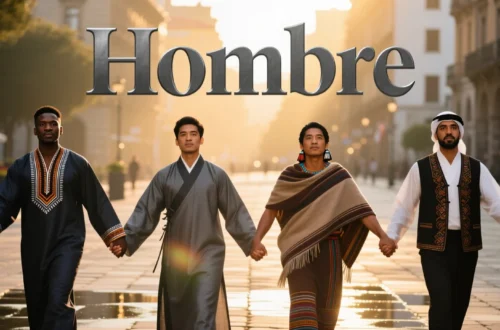
When you walk through the streets of Kyiv in the early morning, you might hear a cheerful “Привіт” (Pryvit) echoing through the air — a simple word meaning hello. But in Ukraine, this greeting holds far more than politeness. It carries history, hope, and the unyielding warmth of a people who never forget kindness, even in hardship.
The first time I heard “Pryvit,” it wasn’t just a word — it was a smile, a connection, a reminder that even in a world divided by languages, one word can still unite hearts.
Across cultures, a “hello” is more than a greeting. It’s the universal human heartbeat that says: I see you. You matter.
Let’s begin our journey with Ukraine — and then travel across continents to see how people say “hello” in their own beautiful ways.
🗺️ Table: How to Say “Hello” Around the World
| Language | Word/Phrase for “Hello” | Cultural Insight |
|---|---|---|
| Ukrainian | Привіт (Pryvit) | Friendly and warm; used among peers and loved ones. |
| Russian | Privet (Привет) | Similar to Ukrainian; informal and familiar. |
| English | Hello / Hi | Universal and versatile, used across the globe. |
| French | Bonjour | Literally “good day”; shows politeness and friendliness. |
| Spanish | Hola | Often paired with gestures of affection or energy. |
| Italian | Ciao | Used for both hello and goodbye; expresses ease and warmth. |
| German | Hallo / Guten Tag | Reflects precision and courtesy. |
| Polish | Cześć | Informal and cheerful, used among friends. |
| Arabic | As-salamu alaykum | “Peace be upon you”; a blessing and greeting in one. |
| Japanese | Konnichiwa | “Good afternoon”; part of Japan’s respect culture. |
| Mandarin (Chinese) | Nǐ hǎo (你好) | “You good”; stresses mutual well-being. |
| Hindi (India) | Namaste (नमस्ते) | “I bow to you”; rooted in spirituality. |
| Swahili | Jambo / Habari | Welcoming and conversational; often opens dialogue. |
| Zulu | Sawubona | “I see you”; a deep acknowledgment of existence. |
| Maori (New Zealand) | Kia ora | “Be well”; reflects gratitude and connection. |
🇺🇦 How Do You Say Hello in Ukrainian
The Ukrainian word for “hello” is Привіт (Pryvit) — pronounced pree-veet.
It’s friendly, casual, and heartfelt. For more formal occasions, Ukrainians use “Добрий день” (Dobryi den), meaning good day.
Cultural Insight:
In Ukraine, greetings are personal. A firm handshake, eye contact, and a warm smile accompany Pryvit. Friends might hug, while elders are often greeted with respect and sometimes a small bow or kiss on the cheek.
Amid Ukraine’s rich history and resilience, Pryvit stands as a small yet powerful gesture of humanity — a symbol of unity and optimism.
🇪🇺 How to Say Hello in European Languages
Europe’s greetings tell stories of centuries-old traditions, from royal courts to cozy cafés.
- France — Bonjour: Politeness is a daily ritual. A conversation without “bonjour” feels incomplete.
- Spain — Hola: Said with passion and energy, often accompanied by a hug or kiss.
- Italy — Ciao: Informal and melodic, expressing affection.
- Germany — Hallo / Guten Tag: Used depending on social setting — formal or friendly.
- Greece — Yasou: Literally means “to your health”; a wish of well-being.
- Poland — Cześć: Cheerful and informal, used widely among friends.
- Netherlands — Hallo / Hoi: Simple and direct, matching Dutch straightforwardness.
Europe’s greetings balance tradition and friendliness, showing how deeply connection is woven into daily life.
🌏 How to Say Hello in Asian Languages
Across Asia, greetings are infused with respect, harmony, and meaning.
- Turkey — Merhaba: A gesture of openness and peace.
- Japan — Konnichiwa: Always said with a bow — a sign of humility.
- China — Nǐ hǎo: “You good”; rooted in Confucian respect.
- India — Namaste: Accompanied by palms together, symbolizing unity of souls.
- Korea — Annyeonghaseyo: “Are you peaceful?”; warmth wrapped in respect.
- Arabic-speaking countries — As-salamu alaykum: Peace and goodwill extended universally.
- Thailand — Sawasdee ka/krub: Respectful and graceful, with a wai bow.
- Vietnam — Xin chào: A melody of politeness and joy.
- Indonesia — Halo: Simple and influenced by Western languages.
- Philippines — Kumusta: A colonial echo turned cultural treasure.
In Asia, saying hello often bridges spiritual and social worlds — it’s a moment of harmony.
🌍 How to Say Hello in African Languages
In Africa, greetings are living symbols of respect and connection — often long, heartfelt exchanges rather than quick phrases.
- Swahili — Jambo / Habari: Friendly and full of curiosity.
- Zulu — Sawubona: “I see you”; acknowledging presence and humanity.
- Yoruba — Bawo ni? “How are you?”; empathy in words.
- Amharic — Selam: “Peace”; calm and graceful.
- Shona — Mhoro: Short and sincere.
- Somali — Iska warran? “What’s the news?”; an invitation to talk.
- Hausa — Sannu: A classic sign of respect.
- Berber — Azul: Means “peace,” a greeting tied to identity.
- Akan (Ghana) — Maakye: “Good morning”; customized by time of day.
- Lingala — Mbote: Bright and enthusiastic.
African greetings are not mere formalities — they reaffirm community and belonging.
🌺 How to Say Hello in Indigenous & Island Languages
From islands to ancient tribes, greetings often carry poetry, gratitude, and love.
- Hawaiian — Aloha: Peace, love, and hello — a life philosophy.
- Maori — Kia ora: “Be well”; symbolizes unity and good health.
- Samoan — Talofa: “I am happy to see you”; a heartfelt welcome.
- Cherokee — Osiyo: “Hello” that embraces both friend and stranger.
- Tahitian — Ia ora na: “May you live”; blessing in every word.
- Fijian — Bula: Means “life”; joyful and celebratory.
- Inuit — Aluu: A brief but sincere Arctic greeting.
- Haitian Creole — Bonjou: “Good day”; echo of French roots.
- Tagalog — Kumusta: A bridge between cultures.
- Guaraní — Avy’a rohayhu: “I’m happy to see you”; warmth in expression.
These greetings remind us that to greet is to connect with both people and the world around us.
💬 Cultural Insights: The Evolution of “Pryvit” and Global Greetings
The Ukrainian Pryvit stems from the same Slavic linguistic roots as the Russian Privet, both meaning to greet or welcome. Over centuries, it became a symbol of goodwill and familiarity.
Globally, greetings evolved alongside humanity’s shared history — from traders on the Silk Road to modern travelers meeting online. Whether through a bow, handshake, or smile, “hello” remains a bridge between strangers.
Even today, when Ukrainians greet each other with “Pryvit,” it’s more than a word — it’s a heartbeat of identity, resilience, and unity.
🌸 Proverbs About Greetings Across Cultures
- Ukrainian: “A kind word warms more than the sun.”
- Turkish: “A smiling face is half the greeting.”
- Zulu: “I am because you see me.”
- Chinese: “A kind greeting is the beginning of friendship.”
- Arabic: “Peace begins with a greeting.”
- Italian: “He who greets first has more friends.”
Every culture teaches us this: peace starts with a hello.
❓ FAQs
Q1: How do you say hello in Ukrainian?
You say “Привіт” (Pryvit) for informal situations, and “Добрий день” (Dobryi den) for formal ones.
Q2: How do you pronounce Pryvit?
Pronounced pree-veet, with a soft “r” and light emphasis on the second syllable.
Q3: Is Pryvit used everywhere in Ukraine?
Yes, it’s widely used in daily life — among friends, in schools, workplaces, and casual settings.
Q4: What does “Dobryi den” mean?
It translates to “Good day” and is suitable for professional or formal greetings.
Q5: Why are greetings important in Ukrainian culture?
Because they reflect warmth, respect, and unity — values that lie at the heart of Ukrainian identity.
❤️ Conclusion: The Universal Power of “Pryvit”
In Ukraine, a simple “Pryvit” can brighten even the darkest day. It carries the soul of a culture that values kindness, courage, and connection.
From Pryvit in Ukraine to Aloha in Hawaii and Sawubona in Africa — every greeting tells the same human story: we are better when we see and welcome one another.
💬 Now it’s your turn!
Share how you say “hello” in your language below — and let’s create a global circle of greetings, one “Pryvit” at a time. 🌍💙