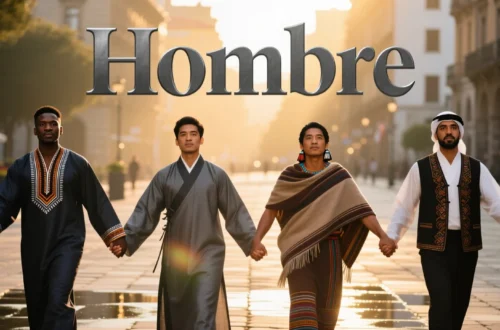
Goodbyes are never easy. Whether whispered at an airport gate, waved from a train platform, or spoken softly over the phone, every farewell carries emotion.
When I first heard someone in Tokyo say “Sayonara” (さようなら), it felt different from a simple “bye.” The word carried weight — a sense of respect, distance, and sometimes, finality. In Japanese culture, saying goodbye isn’t just leaving; it’s honoring the time shared.
Across the world, farewells carry layers of love, hope, sadness, and promise. From “Adiós” to “Goodbye,” from “Alvida” to “Kwa heri,” they remind us that every ending has meaning — and sometimes, a new beginning.
Let’s explore how to say bye in Japanese and how this universal expression of parting unites cultures everywhere.
🗺️ Table of Farewells Around the World
| Language | Word/Phrase for “Bye” | Cultural Insight |
|---|---|---|
| Japanese | Sayonara (さようなら) | Formal, respectful farewell often used for longer separations. |
| Turkish | Güle güle / Hoşça kal | “Go smiling” or “Stay well” — said depending on who is leaving. |
| English | Goodbye / Bye | A universal casual or formal farewell. |
| French | Au revoir | “Until we meet again” — optimistic and elegant. |
| Spanish | Adiós / Hasta luego | “Goodbye” or “See you later”; both heartfelt and hopeful. |
| Italian | Arrivederci | “Until we see each other again.” |
| German | Tschüss / Auf Wiedersehen | “Tschüss” is casual; “Auf Wiedersehen” is formal and polite. |
| Arabic | Ma’a as-salama (مع السلامة) | “Go with peace” — a spiritual and sincere parting. |
| Hindi | Alvida (अलविदा) | Traditional word for farewell, influenced by Persian roots. |
| Mandarin (Chinese) | Zàijiàn (再见) | “See you again”; hopeful and friendly. |
| Swahili | Kwa heri | “Go well” — blessing and goodbye in one. |
| Zulu | Hamba kahle | “Go well”; often followed by community wishes. |
| Korean | Annyeonghi gaseyo / Annyeonghi gyeseyo | “Go peacefully” or “Stay peacefully,” depending on who leaves. |
| Hawaiian | Aloha | Means “love” and “farewell”; never truly a goodbye. |
| Russian | Do svidaniya (До свидания) | “Until we meet again”; expresses hope to reunite. |
🇯🇵 How Do You Say Bye in Japanese
The Japanese word for “bye” is Sayonara (さようなら).
But this word carries much more than a literal goodbye — it conveys respect, emotional distance, and the sense that you might not see the person again soon.
💡 Variations of “Bye” in Japanese:
| Phrase | Meaning / Context |
|---|---|
| Sayonara (さようなら) | Formal goodbye, often when parting for a long time. |
| Ja ne (じゃね) | Informal, friendly “See ya!” — common among friends. |
| Mata ne (またね) | “See you again!” — hopeful and casual. |
| Otsukaresama deshita (お疲れ様でした) | “Thank you for your hard work”; used when leaving work or an event. |
Cultural Insight:
In Japan, the way you say goodbye reflects your relationship with the person. “Sayonara” might sound too distant for friends; instead, you’d use “Ja ne” or “Mata ne.”
This delicate attention to social harmony (wa) makes Japanese farewells an art of empathy and understanding.
Learning how to say bye in Japanese opens the door to this cultural nuance — showing not just language skill but emotional intelligence.
🇪🇺 How to Say Bye in European Languages
Europe’s farewells blend formality, hope, and warmth:
- France — Au revoir: Literally “until the seeing again”; elegant and timeless.
- Spain — Adiós: Emotional and expressive, often accompanied by hugs or kisses.
- Italy — Arrivederci: Suggests optimism for future meetings.
- Germany — Auf Wiedersehen / Tschüss: Balance of respect and casual charm.
- Portugal — Adeus: Simple and heartfelt, meaning “to God.”
- Greece — Antio: A traditional and friendly parting phrase.
Europeans often part with gestures — a kiss, handshake, or wave — blending emotion and etiquette beautifully.
🌏 How to Say Bye in Asian Languages
Asia’s goodbyes carry blessings, respect, and often spiritual depth:
- Japanese — Sayonara: Reserved for sincere, long-term partings.
- Chinese — Zàijiàn: Literally “see again”; full of hope.
- Korean — Annyeonghi gaseyo: “Go peacefully”; rooted in care.
- Hindi — Alvida: Deeply emotional and poetic.
- Arabic — Ma’a as-salama: “Go in peace”; a daily spiritual farewell.
- Thai — La gorn: Gentle and polite; reflects Thai warmth.
- Tagalog — Paalam: A heartfelt goodbye in Filipino culture.
- Vietnamese — Tạm biệt: “Temporarily parting”; an optimistic tone.
- Turkish — Hoşça kal / Güle güle: Used depending on who stays or goes.
- Indonesian — Selamat tinggal / Selamat jalan: “Stay safely” or “Go safely.”
Across Asia, saying goodbye is rarely abrupt — it’s wrapped in meaning, care, and mutual respect.
🌍 How to Say Bye in African Languages
African farewells often carry blessings for safety and well-being:
- Swahili — Kwa heri: “Go well”; often accompanied by a smile or hug.
- Zulu — Hamba kahle: “Go in peace”; used for heartfelt partings.
- Yoruba — Odabo: Polite and spiritual; implies safe travels.
- Amharic — Dehna hun: “Stay well”; Ethiopia’s graceful goodbye.
- Hausa — Sai anjima: “See you later”; hopeful tone.
- Somali — Nabad gelyo: “Go in peace”; rooted in Islamic values.
- Shona — Sara zvakanaka: “Stay well”; caring and familial.
- Akan — Nante yie: “Walk well”; poetic blessing.
- Lingala — Tokomonana: “We will see each other”; future-oriented.
- Berber — Azul fell-awen: Peaceful parting wish.
African goodbyes reflect community, continuity, and compassion — every farewell is also a blessing.
🌺 How to Say Bye in Indigenous & Island Languages
From Pacific waves to Native traditions, farewells express unity with nature and the soul:
- Hawaiian — Aloha: Means both “hello” and “goodbye”; love transcends time.
- Maori — Haere rā / E noho rā: “Go well” / “Stay well” — depending on who departs.
- Samoan — Tofa: “Goodbye” with deep respect.
- Cherokee — Donadagohvi: “Until we meet again.”
- Tahitian — Nana: Simple, cheerful farewell.
- Fijian — Moce (pronounced mothe): “Goodbye”; calm and kind.
- Inuit — Tavvauvusi: Farewell with sincerity.
- Guaraní — Jajohecha: “We’ll see each other again.”
- Haitian Creole — Orevwa: “Goodbye”; French-inspired warmth.
- Tagalog — Paalam: “Goodbye” meaning “permission to leave” — polite and gentle.
Indigenous farewells often connect humans to nature, emphasizing gratitude for shared moments.
💬 Cultural Insights: The Meaning of “Sayonara” and Farewell Traditions
The word “Sayonara” comes from the old Japanese phrase “Sō naraba,” meaning “If that’s the way it is.”
It expresses acceptance — of distance, fate, or life’s natural flow.
Across cultures, goodbyes are tied to belief systems:
- In Arabic and African cultures, peace (salaam) is central.
- In Europe, farewells look toward future meetings.
- In Asia, respect and balance define partings.
Sayonara, in this sense, reflects a graceful acceptance of life’s impermanence — a goodbye without bitterness, only beauty.
🌸 Proverbs About Goodbye Around the World
- Japanese: “Every meeting must end with a parting.” (会うは別れの始め)
- Turkish: “Every departure brings a return.”
- French: “Partir, c’est mourir un peu.” — “To leave is to die a little.”
- Swahili: “Goodbyes are not forever if hearts remember.”
- Hawaiian: “Aloha is never goodbye — it is love eternal.”
❓ FAQs
Q1: What does “Sayonara” mean in Japanese?
It means “goodbye” in a formal sense, often implying a long-term or final parting.
Q2: How do you say bye casually in Japanese?
Use “Ja ne” or “Mata ne” — both mean “see you” and are used among friends.
Q3: Is “Sayonara” used often in Japan?
Not always — it can sound too final. Most Japanese prefer “Mata ne” for everyday situations.
Q4: What’s the difference between “Sayonara” and “Otsukaresama deshita”?
“Sayonara” is goodbye, while “Otsukaresama deshita” thanks someone for their effort — often said after work or meetings.
Q5: Why do Japanese farewells sound so formal?
Because politeness and emotional sensitivity are central to Japanese culture; how you say goodbye reflects your respect for the other person.
❤️ Conclusion: The Grace of Goodbye
Whether it’s “Sayonara”, “Adiós”, or “Aloha”, every farewell tells a human story — of love, respect, and the passage of time.
Learning how to say bye in Japanese reminds us that even endings can be beautiful.
They’re not just about leaving — they’re about honoring what was shared and wishing peace for what’s next.
💬 Now it’s your turn!
How do you say “bye” in your language? Share your word in the comments and help build a global collection of farewells — because every goodbye deserves to be remembered. 🌍